Is the Transformer a Primary Device? What is the Structure of a Transformer?
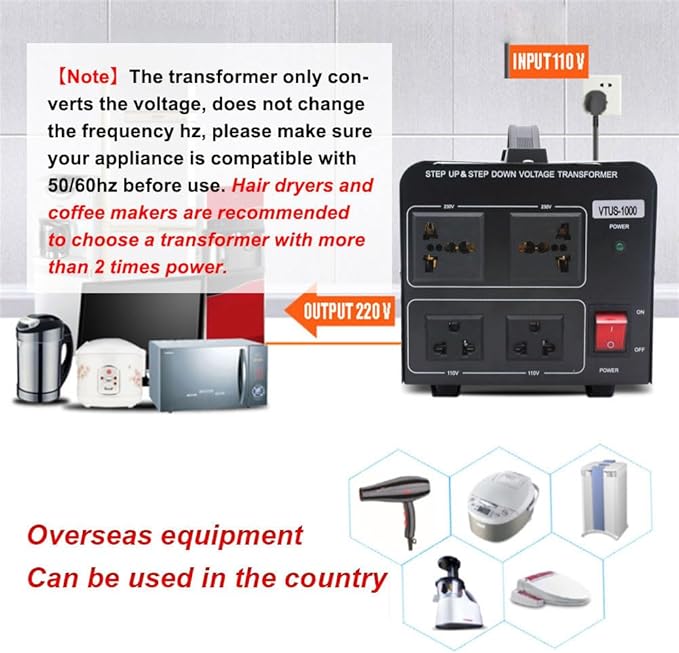
Is the Transformer a Primary Device?
The term “primary” refers to the “main circuit” in electricity production, while “secondary” equipment is primarily used to control or monitor the primary circuit.
When equipment is described as “primary,” it typically means it is part of the main circuit or that its voltage level is higher than that of secondary equipment. Secondary equipment is auxiliary, used for monitoring, measuring, controlling, protecting, and regulating primary equipment in the power system. This equipment is generally not directly connected to electrical power.
Both voltage transformers and current transformers are considered primary equipment, while secondary equipment includes devices connected to their secondary outputs. (Note that secondary windings on transformers can also be considered secondary equipment.)
What Does a Transformer Do?
Transformers are generally divided into three main types: voltage transformers, current transformers, and zero-sequence transformers.
- Voltage Transformer: This device converts varying voltage levels to a standardized value suitable for instruments or meters, with the secondary voltage often set to 100V or 220V.
- Current Transformer: It converts varying current levels to a consistent current value for use with instruments or meters. The standard secondary current is generally 5A.
- Zero-Sequence Transformer: Primarily used to measure zero-sequence (neutral) current, this is a sensitive current transformer. The secondary side measures currents down to tens of milliamps.
An instrument transformer—a term encompassing both current and voltage transformers—transforms high voltage to low voltage and high current to low current for measurement or protection purposes. It standardizes high voltage or high current to low-voltage (100V) or low-current (5A or 1A) levels, facilitating the miniaturization of measurement and control equipment. Additionally, it isolates high-voltage systems, ensuring the safety of personnel and equipment.
Structure of a Transformer
A transformer comprises several basic components: the winding, the core, insulation, and the outer shell. In electrical systems, multiple current transformers are often needed within a single loop to meet the requirements of measurement and relay protection. To save materials and reduce costs, a high-voltage current transformer may be constructed with multiple independent iron cores that share a primary winding but are magnetically isolated from each other. This setup allows multiple current transformers with identical transformation ratios but differing accuracy levels.
For electrical measurement purposes, high accuracy is required from the current transformer, with minimal impact on the measuring instrument in case of a short circuit. Therefore, the iron core of a measurement transformer is designed to saturate easily during a short circuit, limiting the secondary current increase. On the other hand, a relay protection transformer’s core is designed to avoid saturation during a primary short circuit, allowing the secondary current to increase proportionally to maintain protection sensitivity.