Can Charcoal Remove Formaldehyde?
Formaldehyde is commonly found in new construction and renovation materials. One method of removing formaldehyde is physical adsorption, and charcoal is a popular tool for this purpose.
Charcoal can remove formaldehyde primarily due to its adsorption properties. It contains numerous micropores and mesopores, giving it a high surface area. These pores can effectively trap formaldehyde molecules, making charcoal a useful option for adsorbing indoor formaldehyde.
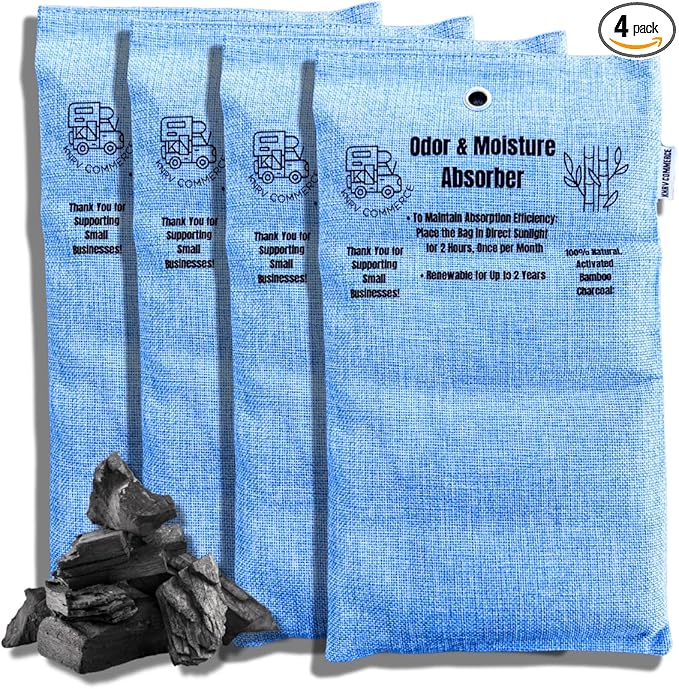
Is Charcoal Effective in Adsorbing Formaldehyde?
While charcoal can adsorb formaldehyde, its effectiveness varies:
- Ordinary Charcoal: It has some ability to adsorb formaldehyde, but its effectiveness can be inconsistent. Environmental changes can affect its adsorption capacity, and it may release formaldehyde back into the air once it becomes saturated.
- Activated Charcoal: This form of charcoal has a higher adsorption capacity than ordinary charcoal and is more effective at removing formaldehyde. However, the overall capacity is still limited, and it may not be sufficient for high concentrations of formaldehyde.
In general, while charcoal can help reduce formaldehyde levels, it is not the most effective method. It is often recommended to use it in conjunction with other methods, such as increasing ventilation, to achieve better results.
How Often Should Charcoal Be Replaced for Formaldehyde Removal?
Charcoal’s ability to adsorb formaldehyde diminishes over time as it becomes saturated. The frequency of replacement depends on the formaldehyde concentration in the area:
- Newly Renovated Spaces: In areas with high formaldehyde levels, such as newly renovated homes, it is advisable to replace the charcoal every week.
- Lower Concentration Areas: In spaces with lower formaldehyde levels, replacing the charcoal every 3-6 months may be sufficient.
Regular replacement ensures that the charcoal remains effective in adsorbing formaldehyde and maintaining a healthier indoor environment.