Can the Fetal Heartbeat be Heard with a Stethoscope?
From around 18-20 weeks of pregnancy, it is completely normal to use a stethoscope or a fetal heart rate monitor to hear the fetal heartbeat through the abdominal wall of the pregnant woman. The fetal heart sounds, occurring at 120-160 beats per minute, are typically presented in two tones. In the third trimester, listening to the fetal heartbeat becomes very important, as it sounds similar to the ticking of a clock. Experienced doctors can use a stethoscope to detect the fetal heartbeat through the mother’s abdominal wall. Expectant mothers must monitor the fetal heartbeat closely in the later stages of pregnancy. If fetal movements suddenly stop, become significantly more frequent, or other abnormal signs appear, it is crucial to seek medical attention promptly.
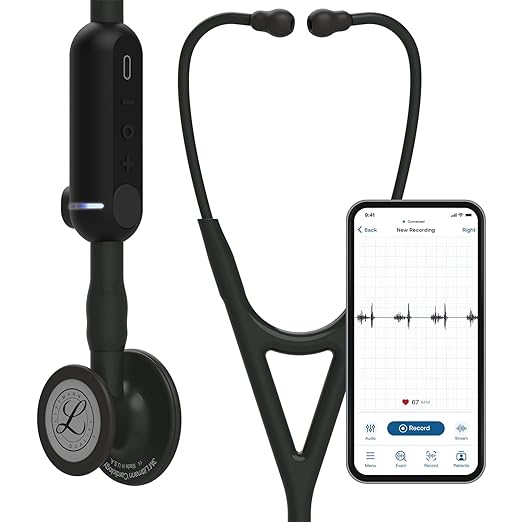
Fetal movement directly indicates the baby’s development. A strong and fast fetal heartbeat is closely related to the fetus’s condition. When the fetus is awake, the heart rate is relatively fast; when sleeping, the heart rate slows down. The presence of fetal heart sounds is indeed magical, and a healthy fetal heart rate resembles the sound of a mechanical alarm clock under a pillow.
Pregnant mothers should remember that, early on, the fetus is still very small, making the fetal heartbeat very weak and challenging to detect with a standard stethoscope. Although it is said that the fetal heartbeat can be heard with a stethoscope around 20 weeks, factors like amniotic fluid, intestinal peristalsis, and other murmurs can make this difficult.
How to Use a Stethoscope to Listen to the Fetal Heart Rate
When in a calm mood, a pregnant woman can hear the “tat-tat” sound of the fetal heartbeat through a stethoscope. To do this, place the stethoscope on the same spot on the abdomen and gradually apply pressure. If no sound is heard, move the stethoscope within a 5 cm radius from the initial position until the fetal heartbeat is found. At six months, use the belly button as a reference point, moving 15-20 cm to the left, right, and lower areas. From 7.5 to 8 months, start listening at the lower left and right sides of the abdomen, then the upper left and right sides, and finally the middle left and right areas.
At 8.5 months, fetal movement becomes crucial. From 8-12 am, movements should be slow and even; any strong movements could indicate problems. In the afternoon from 2-3 pm, fetal movements should be at least present. The fetus is most active at night, making this a good time for prenatal education. To count fetal movements, relax completely, sit upright, and place your hands naturally on the lower abdomen. During the third trimester, count movements three times a day, with 3-5 movements per hour being typical. Continuous movements are not counted; there should be intervals of more than 3 minutes.
Generally, count fetal movements while lying in bed or sitting after meals, three times a day for one hour each time. Add the number of movements in the morning, noon, and night, then multiply by 4 to get the 12-hour count. If there are more than 30 movements in 12 hours, the fetus is in good condition. If there are 20-30 movements, monitor closely the next day. If it drops to 20 movements, consult a doctor for further examination. After 32 weeks of pregnancy, record the number of fetal movements each time and have the doctor check this during prenatal visits to guide proper recording and timely treatment. Counting fetal movements is especially important as the fetus approaches maturity and can survive after birth. If there are 4 or more movements in one hour, the fetus is safe. If there are fewer than 3 movements in one hour, count for another hour. If the situation persists, seek medical attention without delay.