
Why Skipping Rope Can Help Increase Height
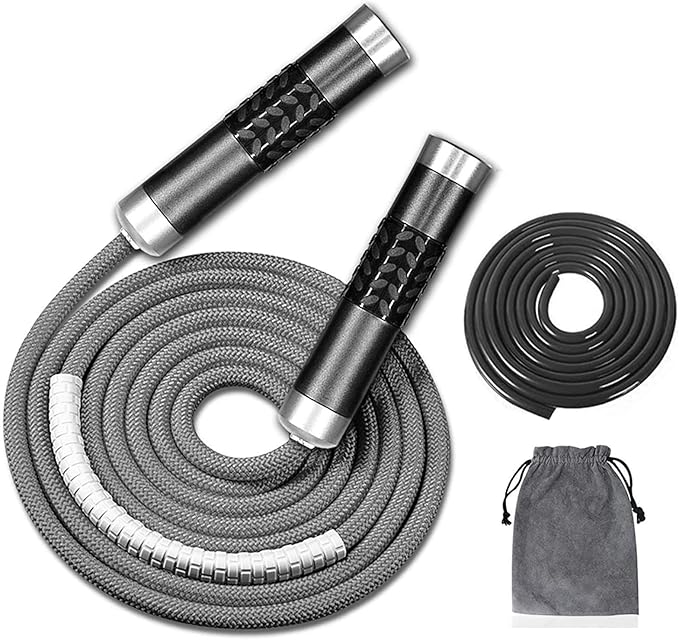
- Enhanced Blood Circulation and Bone Growth: Experts explain that children and adolescents have growth plates, or epiphyseal cartilage, between the diaphysis (shaft) and the ends (epiphyses) of their long bones. These growth plates actively develop during childhood and adolescence. Skipping rope boosts blood circulation, enhancing the blood supply to developing bones and stimulating bone growth.
- Positive Pressure on Bones: The act of skipping rope causes muscle contractions that pull on the bones, creating pressure and tension. This stimulates growth in both the bones and the growth plates, leading to an increase in bone mass and potentially supporting height growth.
- Bone Density and Mass: Acquiring bone mass during adolescence is essential for bone growth and long-term bone health. Skipping rope enhances bone density, strengthens the bone structure, and contributes to overall bone growth, further promoting height.
Optimal Timing for Growing Taller with Skipping Rope
- During Puberty: The best time to gain height from skipping rope is during the peak growth phase, which typically occurs in adolescence. Height growth becomes challenging after puberty, especially once the growth plates close in adulthood.
Adolescence is generally between ages 11 and 16, when children experience both physical and mental growth.
- Morning Sessions: Skipping rope in the morning, shortly after waking up, is ideal. At this time, higher hormone levels support cartilage development, aiding in height growth.
Duration Required to See Results in Height
For adolescents, skipping rope can potentially promote height growth, but the effect is gradual. Consistency and a long-term commitment to regular, scientifically supported exercise are essential to achieve noticeable height increases.
Skipping Rope Techniques for Height Promotion
- Sideways Diagonal Jump: This move builds endurance and strengthens the muscles on the outer and inner thighs. Start by standing on opposite sides of the rope, jump forward on one foot, then jump back diagonally. Swing your arms with each jump. Perform for 1 minute, rest for 10 seconds, and repeat twice.
- Basic Skipping: Begin by keeping your feet together and jumping 2-3 minutes, aiming for a bounce height of 3-5 cm. Beginners can start with 10-20 jumps, rest for 1 minute, and repeat. More experienced jumpers can do 30 jumps, rest for 1 minute, then repeat.
- One-Legged Jump: Lift one knee forward, stand on the other foot, and hop 10-15 times on one foot, then switch legs. Rest for 30 seconds, performing 2 rounds per leg.
- Split-Leg Jump: Begin with the basic jump prep, then spread your feet as you jump and bring them together when you land. Repeat 15 times.
- Cross-Arm Jump: Perform the basic jump prep, then cross your arms while the rope is in the air. Reverse your arms back to their original position after each jump.
- Partner Rope Skipping:
- Side-by-Side: Stand side by side with your partner, each holding one end of the rope handle with the outer hand, then jump together using both feet.
- Tandem Jump: The taller person stands behind and swings the rope, with both jumping in unison.
- Spinning Jump: In pairs, one person squats while swinging the rope in an arc on the ground. The other jumps over it, gradually increasing the speed. Switch roles after 1 minute.
- Side Jump: Start with the basic jump, then swing the rope with both hands while jumping with one foot and tilting the other to the side. Switch feet after 15 jumps. Advanced jumpers can try fast skipping, with two jumps in a single rope pass.