
How to Use a Digital Thermometer
A digital thermometer utilizes a temperature sensor to convert temperature into a digital signal, displaying the result digitally through various means such as liquid crystal, digital tube, LED matrix, etc. This enables quick and accurate measurement of the highest human body temperature. In comparison to traditional mercury thermometers, digital thermometers offer advantages like convenient reading, short measurement time, high accuracy, memory, and audible prompts. Notably, digital thermometers are mercury-free, making them safe for both humans and the environment, particularly suitable for hospital and home use.
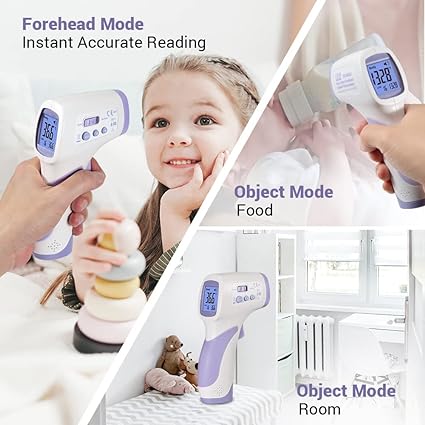
Usage Guidelines:
-
Disinfection: Before use, disinfect the thermometer’s head with alcohol.
-
Activation: Press the switch; a buzzer will beep for about 2 seconds.
-
Display Readout: The display shows the last measured temperature for approximately 2 seconds. The “℃” symbol flashes, indicating standby status. If the room temperature is higher than 32°C, the “°C” symbol continues to flash.
-
Measurement: Measure body temperature, and the displayed temperature gradually increases. When the temperature rise rate is less than 0.1℃ within 16 seconds, the “℃” symbol stops flashing, and the thermometer emits a 5-second beep, signifying the completion of the measurement.
Digital Thermometer Calibration Specification:
Digital thermometers have a temperature range of (-50~1000)℃, using platinum resistance or K-type thermocouple sensors. Calibration specifications vary across metrological verification departments due to the absence of national regulations for digital thermometers. The calibration workload increases with the growing use of digital thermometers in various industries.
Calibration of Digital Thermometers:
-
Digital Thermometers with Thermal Resistance Sensors: Calibration follows JJF1171-2007 specifications. Calibration points are chosen based on the thermometer’s temperature range, using a second-class standard mercury thermometer as a reference. Differences in handling calibration certificates exist among metrological verification departments.
-
Digital Thermometers with Thermocouple Sensors: Calibration involves using a second-class standard platinum-rhodium 10-platinum thermocouple. Challenges arise in calibrating the overall thermometer as a combination of a sensor and a secondary instrument. Calibration results processing methods vary among verification departments.
Conclusion:
Metrological verification departments must adhere to legal metrological procedures or calibration specifications when working with instruments lacking clear guidelines. With the increasing use of digital thermometers, drafting specific regulations or specifications for their verification is crucial. This ensures accurate, scientific, and meaningful calibration results, demonstrating the institution’s accuracy, rigor, and authority in the calibration market.