Is It Illegal to Replace Halogen Lamps with Xenon Lamps?
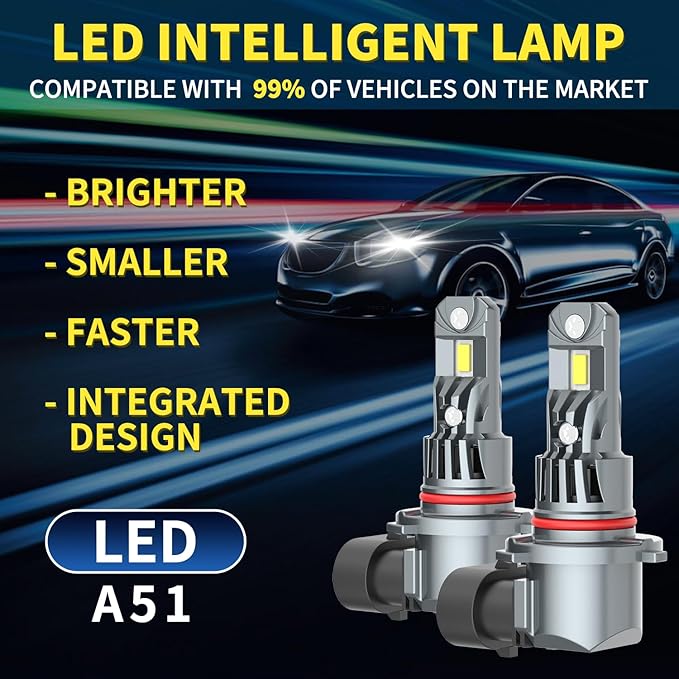
Many car owners are dissatisfied with the short lifespan and insufficient brightness of traditional halogen lamps, prompting them to consider switching to xenon headlights. Although there are no explicit laws in some countries prohibiting xenon headlight modifications, modifications that increase light intensity beyond the legal limit may violate the “Technical Conditions for Safety of Motor Vehicle Operation,” making the modification illegal.
Since xenon lamps have a color temperature between 4000K and 6000K—significantly higher than regulatory standards—they must be fitted with lenses to reduce intensity. Without proper lenses, the brightness can resemble looking directly at the sun, which poses a hazard to other drivers and pedestrians.
Additionally, xenon lamps have relatively low penetration, meaning dirt or dust on the headlights can cause light to refract and scatter, impacting visibility for others. Vehicles equipped with xenon headlights must also include a headlight cleaning system to address this issue.
In Europe, regulations prohibit replacing only the xenon bulbs; the entire headlight assembly must be replaced, and a cleaning device is required. However, in some other countries, these requirements may be less strict. Generally, replacing xenon headlights without a cleaning device may not result in fines or citations.
Does Modifying Xenon Lamps Affect the Annual Inspection?
Yes, it can. Many provinces and cities are now implementing stricter rules for xenon lamp modifications, and annual vehicle inspections are becoming more rigorous.
After consulting with the local traffic police, their advice is: replacing only the xenon bulb will likely cause the vehicle to fail the annual inspection. However, replacing the full xenon assembly and adding lenses can allow it to pass.
During inspection, headlights must meet specific standards: low beams must exceed 1050 lumens, and high beams must exceed 1450 lumens. While there is a lower limit for light intensity, there is no defined upper limit.
Precautions for Modifying Xenon Lamps
1. Optimal Color Temperature of 4500K for Safety
Xenon lamps range in color temperature from 3000K to 12000K. Lower temperatures produce a yellow light, similar to regular bulbs, while higher temperatures create a whiter or bluish light.
A color temperature around 4500K is recommended for optimal performance and visibility, especially in harsh conditions like rain, snow, or fog. High color temperatures (above 6000K) reduce visibility and can be harsh on the eyes of pedestrians and drivers, which can lead to increased safety risks.
2. Prioritize Quality in Xenon Lamps
Xenon lamps vary in quality, with prices ranging from a few hundred to thousands of yuan for high-end imported options. While it may not be necessary to buy the most expensive ones, it’s wise to invest in reliable xenon lamps for longevity and safety. Poor-quality lamps can fail frequently, causing frustration and potential safety issues.
3. Compliance with Installation Regulations
Although regulations on xenon lamp installation are not always strict, more cities are introducing local laws on car headlights. Proper installation and adherence to these regulations can prevent future issues. It’s advisable to review local laws before modifying headlights to avoid wasting money on non-compliant upgrades.
4. Not All Models Are Suitable for Xenon Lamp Modification
Many high-end car models, like the Volkswagen Golf, come with xenon lamps as original equipment. For these models, high-quality aftermarket xenon parts are available. However, older models or those with limited aftermarket support may not be ideal candidates for xenon upgrades. Additionally, if your car uses reflective headlights or combined high/low beams, modifying to xenon can cause light scattering, reducing visibility and potentially blinding other drivers.
Conclusion
While xenon lamps provide excellent brightness, modifying your vehicle’s headlights should be done cautiously, as improper installation can create safety risks. If you’re unsure about xenon lamps, avoid following trends and prioritize informed decisions to ensure safety for yourself and others on the road.