
The Role of the Mountaineering Machine: How to Use It and Compare It with a Treadmill
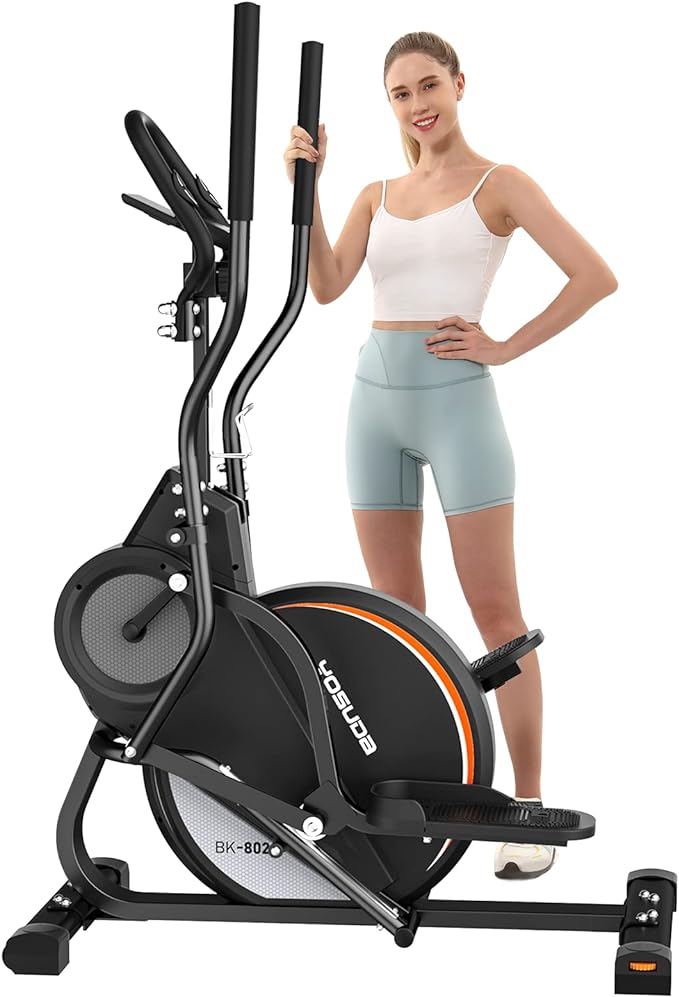
A mountaineering machine is a versatile fitness device designed to simulate the experience of climbing. It combines slow walking, brisk walking, and running in one piece of aerobic training equipment. Named for its climbing-like workout, it emerged as an evolution of the treadmill. The primary function of a mountaineering machine is to replicate the motion of outdoor climbing by having users alternate their feet on a machine with a steep incline, promoting fitness. Typically, the machine’s slope can reach at least 40% to be classified as a true mountaineering machine.
The Benefits of Using a Mountaineering Machine
- Effective Weight Loss at Low Speed
Exercising at a 16% incline and 3 miles per hour on a mountaineering machine can produce the same results as running at 6 miles per hour on a flat treadmill. This allows users to reach a heart rate that promotes fat burning without needing high-speed running. For those aiming for weight loss, this means achieving their goals with less intensity.
- Dual Exercise Benefits
When using a mountaineering machine with a slope over 15 degrees, about 75% of muscle tissue is engaged in the activity, compared to only about 20% on a flat treadmill. This means that users can simultaneously work out their cardiovascular and muscular systems. At higher inclines, the mountaineering machine effectively targets the gluteus maximus, hamstrings, and calf muscles, aiding in slimming and sculpting the body while also maintaining cardiovascular health.
- Higher Caloric Burn
At a 16-degree incline and a speed of 2 mph, a user can burn approximately 360 calories per hour—three times the caloric burn of a treadmill at the same speed. Even at lower speeds, the mountaineering machine engages the aerobic system, which supports cardiovascular health and muscle activation, leading to faster fat loss. On a treadmill, low-speed exercise primarily burns carbohydrates rather than fat, requiring longer sessions for effective fat burning. In contrast, the mountaineering machine’s incline ensures fat burning even at lower speeds.
- Reduced Risk of Injury
Unlike outdoor climbing, where movement is active and can lead to short-term fatigue and leg stiffness, the mountaineering machine offers a passive movement that involves the whole body. Studies show that the mountaineering machine can cover more distance with the same energy expenditure compared to actual outdoor climbing, making the experience less strenuous.
How to Use the Mountaineering Machine
- Grip the Handlebars Lightly
Hold the handlebars gently or just touch them with your fingers to maintain balance. Gripping too tightly may cause you to shift your center of gravity, which could disrupt your posture. Ideally, your hands should hang freely by your sides, challenging your balance. If you feel the need to hold the handlebars tightly, consider lowering the speed.
- Maintain Proper Posture
Stand upright with a slight forward lean, keeping your back straight. Avoid leaning side to side, as this may indicate that your steps are too long. Engage your core muscles to maintain stability.
- Keep a Consistent Stride
Stride length should be consistent and not too short. Short steps reduce energy expenditure and the effectiveness of the workout. Aim for a natural, steady stride to maximize your workout.
- Place Your Whole Foot on the Pedal
Avoid placing only your toes on the pedal, as this can cause calf fatigue and shorten your workout time. Using your entire foot ensures better balance and more effective results.
Comparing the Mountaineering Machine and the Treadmill
- Heart Rate and Fat Burning
At a 12-degree incline and 3 mph on a mountaineering machine, the heart rate increases significantly, leading to effective fat burning. In contrast, a treadmill requires higher speeds to achieve similar results.
- Muscle Engagement
A 15-degree incline on a mountaineering machine engages 75% of muscle cells, while a treadmill only engages around 20%. This allows for a comprehensive workout targeting both the cardiovascular and muscular systems.
- Caloric Expenditure
A mountaineering machine with a 16-degree incline and a speed of 2 mph burns three times more calories per hour than a treadmill at the same speed, making it more efficient for fat loss.
- Energy Consumption
The mountaineering machine alters energy consumption by engaging different energy systems in the body, such as the adenosine triphosphate system, glycogen metabolism, and aerobic metabolism. These systems are activated differently depending on the intensity, speed, and exercise form, providing varied fitness benefits.
In conclusion, while both the mountaineering machine and treadmill offer unique benefits, the mountaineering machine provides a more intense workout with higher energy expenditure, greater muscle engagement, and more effective fat burning at lower speeds.