Types of Cervical Traction Devices: Functions and Benefits
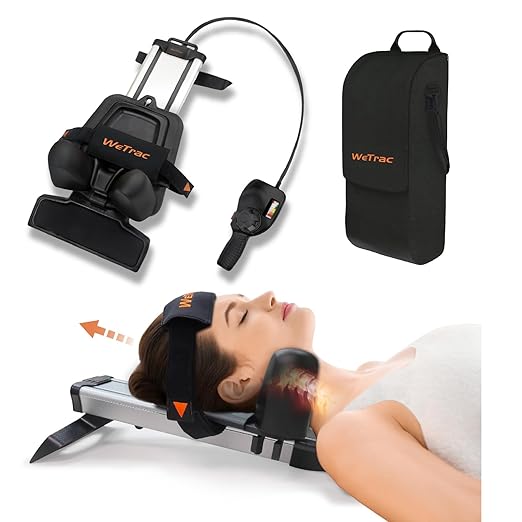
Cervical traction devices are commonly used to alleviate neck pain and spinal issues. These devices can generally be classified into five types: tension scale cervical traction devices, portable traction devices, mechanical traction devices, inflatable traction devices, and mind traction neck collars. Each type has unique functions and benefits tailored to different rehabilitation needs.
1. Tension Scale Cervical Traction Devices
Functionality of Tension Scale Cervical Traction Devices:
- Relieves Nerve Pressure: Traction helps reduce compression and friction on the nerve roots of the spinal cord.
- Increases Spinal Space: Continuous traction increases the space between cervical vertebrae, promoting better spinal health.
- Reduces Disc Pressure: It alleviates pressure within the cervical intervertebral discs, easing muscle contractions and soreness.
- Improves Circulation: By stretching the vertebral artery, it enhances blood oxygen flow in the cervical region.
- Relieves Nerve Root Irritation: Correct use of traction can lengthen the cervical spine and alleviate symptoms related to nerve root irritation.
Key Features of Tension Scale Cervical Traction Devices:
- Tension Scale: Designed based on human biomechanics, it provides a safety mechanism for proper adjustment.
- Safety Alerts: If the traction force exceeds the preset value, a warning light flashes and an alarm sound activates.
- Adjustable Tension: The safety pull ring allows for quick release of tension, and the weight gain rope can be adjusted for appropriate load settings.
Advantages:
This type of cervical traction device is compact, easy to store, and portable, making it ideal for home use and travel. It’s particularly suited for those looking for a safe and convenient traction solution during office hours or on business trips.
2. Portable Cervical Traction Devices
Portable cervical traction devices are designed for easy, on-the-go use. Weighing only 250 grams, these devices are lightweight yet powerful, providing a traction force ranging from 0-80kg with a stroke length of 1-20cm. The device features a latex liner and soft flannel fabric, offering excellent breathability and skin protection. Its ergonomic design ensures comfort and safety, particularly during rehabilitation for cervical spondylosis and neck pain.
Key Benefits:
- Compact and Lightweight: Perfect for personal use and easy to carry.
- Comfortable Design: Conforms to the natural curvature of the neck, preventing pressure on sensitive areas.
- Effective for Rehabilitation: Ideal for home use to relieve neck pain and promote recovery.
3. Mechanical Cervical Traction Devices
Mechanical traction devices employ advanced M-force traction techniques. These devices are mounted on both the head and shoulders to create upward traction that locks the cervical vertebrae into place. The force applied helps realign the neck and relieve pain.
Key Features:
- Dual Traction: Vertical force pulls upward while horizontal force stabilizes the neck.
- Stability: The device is mounted with shoulder support brackets, providing concentrated traction to the cervical spine.
Drawbacks:
- Bulkiness: These devices are large and cumbersome, making them less convenient for portability.
- Comfort Concerns: The device can limit movement and may cause discomfort during use.
- Stability Issues: Variations in shoulder shape can lead to inconsistent traction and potential risks.
4. Inflatable Cervical Traction Devices
Inflatable traction devices work by inflating an airbag around the neck, creating upward traction. This type of device is designed for gentle cervical traction, but the soft materials used in the airbag may limit the effectiveness of the traction force.
Pros:
- Gentle Traction: Ideal for users seeking mild traction force.
- Easy to Use: Convenient for quick, on-the-go relief.
Cons:
- Limited Effectiveness: The softness of the material and the pressure exerted on the neck may not provide sufficient traction for more severe conditions.
5. Mind Traction Neck Collars
Mind traction neck collars provide 3D cervical traction that can be used anytime and anywhere, without the need for external support or power. This device offers both front and rear independent traction, allowing users to adjust the angle and force of the device to suit their needs. Equipped with a dynamometer, it displays the traction force and includes an elastic buffer for added comfort.
Key Features:
- No Power Supply Needed: Fully independent, no external support required.
- Adjustable Traction Force: The device automatically adjusts the supporting angle for personalized comfort.
- Portable: Convenient for daily use at home or work.
Benefits:
The mind traction neck collar is an excellent option for individuals seeking a portable, effective, and user-friendly traction solution that fits easily into daily life.
Conclusion
Choosing the right cervical traction device depends on your specific needs, such as portability, comfort, and the severity of your condition. Whether you’re looking for a device with adjustable tension, a lightweight and portable solution, or a more advanced mechanical option, there are various types available to suit your rehabilitation requirements. Always consult with a healthcare professional before beginning any cervical traction therapy to ensure the best results and safety.