
Eye Injuries During Cycling
Cycling is a great form of exercise, but it comes with risks, particularly to the eyes. When cycling outdoors, especially under the sun, proper eye protection is crucial. Potential eye injuries during cycling include:
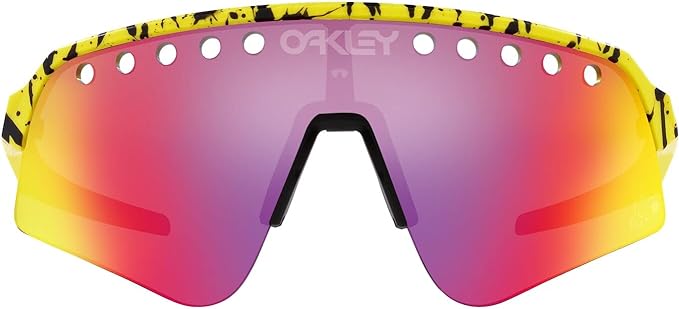
Oakley Man Sunglasses Matte Black Frame, Prizm Road Lenses, 0MM, Check The Price >>>
- Sunlight
- Direct exposure to strong light can make it difficult to open your eyes, affecting your riding safety.
- Glare from sunlight reflecting off objects can impair vision clarity.
- Ultraviolet (UV) and blue light from the sun can damage the macula of the eye.
- Wind and Sand
- Riding at high speeds can cause strong winds to blow into your eyes, making it hard to keep them open and causing rapid tear evaporation, which leads to discomfort and eye fatigue.
- Over time, this can damage the corneal epithelium, causing stinging even when not cycling.
- Foreign Objects
- Flying sand, insects, and rain are common foreign objects that can get into your eyes while riding.
- Even with cycling glasses, sweat and rain can carry impurities into your eyes, causing irritation.
- The conjunctiva, lacking keratin and being more sensitive than skin, can easily develop allergic conjunctivitis, with symptoms such as dryness, itching, severe stinging, and continuous tearing.
Without proper eye protection, cycling can be dangerous, especially on long-distance rides. Therefore, it is essential to wear good cycling glasses. But what exactly do cycling glasses do?
Functions of Cycling Glasses
Cycling glasses, along with cycling helmets and headscarves, form a crucial head protection set. The primary functions of cycling glasses are:
- Anti-Collision
- Cycling glasses are tough and can protect your eyes from sand, gravel, and flying insects.
- Gravel kicked up by vehicles, especially those with high tire pressure, can be a significant hazard. The anti-collision feature of cycling glasses helps prevent these injuries.
- UV Protection
- Cycling outdoors without glasses makes it difficult to keep your eyes open under the bright sun, affecting your ability to observe road conditions and potentially leading to unsafe situations.
- Cycling glasses provide sun protection and have UV-blocking capabilities, making them especially suitable for summer and high-altitude rides.
- Wind and Sand Protection
- Prolonged cycling without glasses can lead to dry, red, and uncomfortable eyes due to wind exposure.
- Cycling glasses prevent wind from directly hitting your eyes at high speeds, reducing airflow impact and preventing sand from entering your eyes.