
The Function of Wearing a Basketball Finger Protector
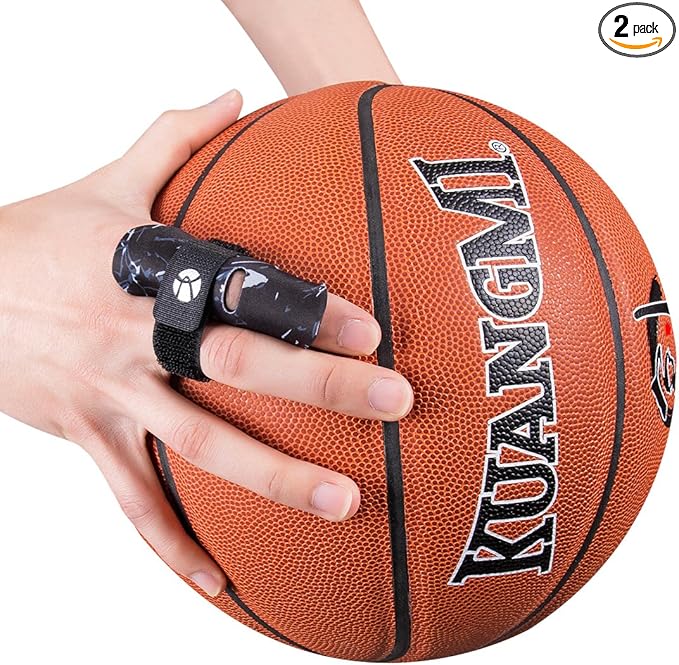
A basketball finger protector is essential equipment for many players, serving primarily to protect the finger joints. But what are the specific benefits of wearing finger guards while playing basketball?
In basketball, fingers are highly active and prone to injury. This is especially true in professional games, where fingers frequently collide with the ball, leading to significant stress on the joints. Athletes also face a higher risk of developing tendonitis in their fingers. Wearing a finger guard can help prevent sprains and accelerate recovery, making it an effective protective measure.
The main purpose of finger protection is to safeguard the finger joints. When fingers experience strong impacts, the guard limits their range of motion, helping to prevent injuries such as sprains, dislocations, fractures, tendon ruptures, and contusions. Additionally, finger guards can help improve grip, even when fingers are sweaty, as they are designed to provide a non-slip surface. Many modern finger guards also come in various styles, offering aesthetic appeal alongside functionality.
Are Basketball Finger Guards Useful?
Yes, they are very useful.
Many basketball players wear finger guards primarily for protection. While those who play casually may not notice the protective benefits as much, finger guards can still enhance grip on the ball. Observing slow-motion footage of basketball games often reveals the skillful control players have over the ball; this is partly due to their larger hands and longer fingers. For average players, using finger guards can facilitate better handling and reduce the risk of injury, even with sweaty hands.
How to Address Finger Injuries in Basketball
Finger injuries during basketball games often result from excessive impact, but they can also occur due to long nails. When impacted, long nails can lead to significant discomfort and injuries.
To prevent injuries, players should ensure their nails are trimmed and manageable to avoid hurting themselves or others. It’s also essential to warm up the fingers before playing; if possible, wearing finger guards can provide added protection.
Finger injuries can be categorized into sprains, dislocations, fractures, tendon ruptures, and contusions (skin splits) based on their severity.
In the case of a sprain, apply a cold compress first and keep the area warm for two to three days, while also massaging it gently. If a dislocation occurs, it is crucial to endure the pain and seek assistance from medical staff to realign the finger. For serious injuries, such as cuts, fractures, or torn tendons, do not attempt to move the affected finger and seek immediate medical attention.