
First, what is the material of the crystal cup?
A crystal cup usually refers to a cup or wine glass processed from lead-free crystal glass for drinking. In other words, the material of the crystal cup is glass.
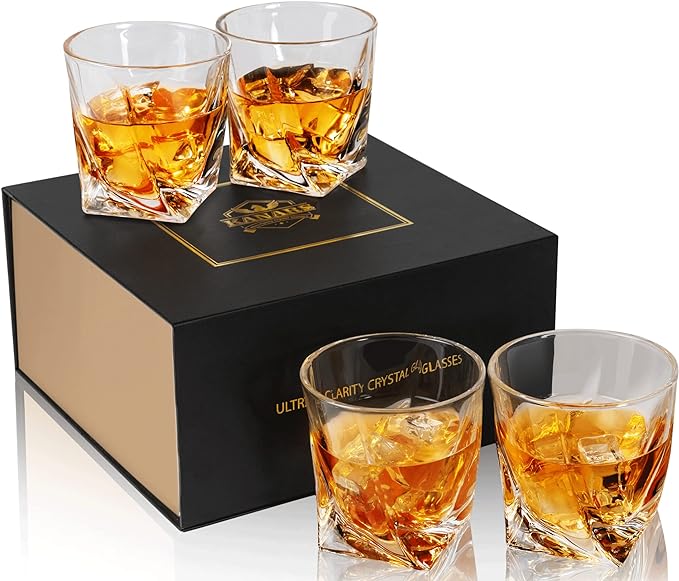
-
First of all, the crystal cup is also a type of glass cup. Its main component is silicon dioxide, but it also contains additives such as lead, barium, zinc, and titanium. This glass exhibits high transparency and refractive index, resulting in a smooth and crystal-clear appearance, hence the name crystal glass. If lead is present, it is called lead crystal. The presence of barium, zinc, titanium, and other substances results in lead-free crystal.
-
Production technology and characteristics: The crystal cup body is made of high-grade crystal glass, processed and fired with meticulous skill. It undergoes a high-temperature firing process at 640°C, reaching the critical point of crystal glass melting. It is transparent, pure, and non-toxic, capable of withstanding rapid temperature changes without cracking or exploding. It possesses high transparency, a strong crystal feel, wear resistance, and other characteristics, resulting in a clear, elegant, and generous appearance. Additionally, its double-layer glass structure provides some insulation properties.
Second, can the crystal cup be placed in the microwave?
No, the crystal cup cannot be placed in the microwave. The uneven thickness of the crystal makes it prone to bursting when heated in a microwave oven. While some types of glassware can be used in microwave ovens, a crystal cup is not suitable for this purpose.
Three, how to judge whether the container can be put into the microwave oven?
The key factors in determining whether a container can be used in a microwave oven are its ability to withstand microwave penetration, its resistance to high temperatures, and its compliance with food safety standards.
-
Utensils made of borosilicate glass, glass-ceramic, and titanium oxide crystallized glass generally have good microwave penetration properties, stable physical and chemical characteristics, and high heat resistance (up to 500 degrees Celsius or even 1000 degrees Celsius), making them suitable for prolonged microwave use.
-
Regular glassware, milk bottles, and nursing bottles made of ordinary glass are suitable for short-term microwave heating, typically around 3 minutes. Prolonged heating may cause breakage. Carved glass, tempered glass, and crystal glass products are unsuitable for microwave use, as they may shatter when cooking oily foods due to uneven material thickness.
-
Crystal cups are not microwave-safe and typically do not require microwave heating, as they are primarily used for serving cold drinks such as red wine.