
What is UPS?
A UPS (Uninterruptible Power Supply) is a device designed to provide continuous power to electronic systems like computers, networks, or other sensitive equipment. It stores energy and uses an inverter to deliver a consistent, stable voltage and frequency. When mains power is available, the UPS stabilizes it and charges its internal battery. In the event of a power outage, the UPS switches to battery power, providing uninterrupted power to the connected devices, thereby protecting them from potential damage and data loss.
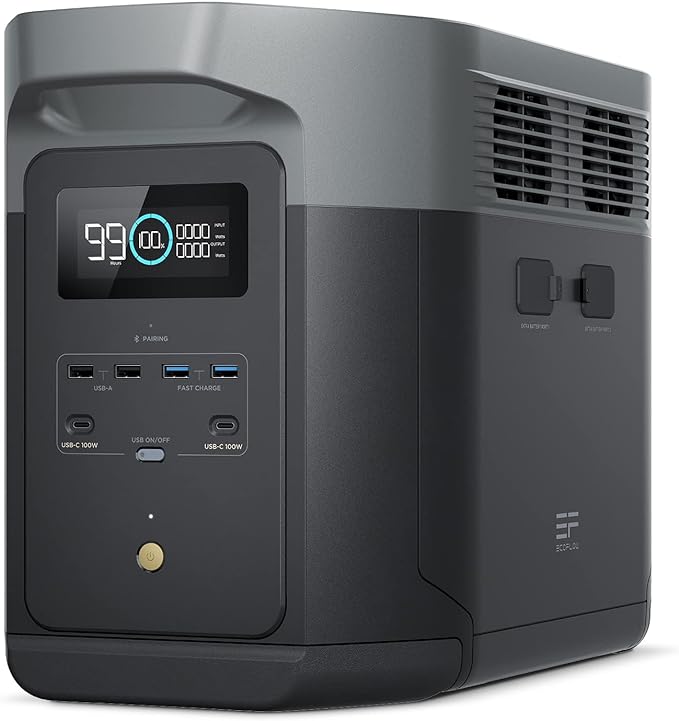
Functions and Importance of UPS
UPS, short for Uninterruptible Power Supply, originated as a peripheral device for computers to act as a backup power source. However, due to issues like voltage surges, spikes, transients, sags, and power interruptions, UPS systems evolved into comprehensive power protection solutions. They now offer features like voltage regulation, frequency stabilization, filtering, and protection against electromagnetic interference and voltage surges.
UPS systems come in a range of power capacities, typically from 500VA to 3000kVA. They stabilize the mains power and charge the internal battery when power is available. Upon detecting an abnormal power event or outage, the UPS switches to battery power, maintaining continuous power supply and protecting the connected equipment.
Types and Characteristics of UPS
UPS systems are categorized mainly into two types: offline (or standby) and online. They are also classified based on their output waveform: square wave or sine wave.
- Offline (Standby) UPS: This type normally provides power directly from the mains and switches to battery power only when mains power fails or falls below a certain threshold. They are economical and efficient but offer limited protection against power quality issues.
- Online UPS: These systems continuously convert incoming AC power to DC, then back to AC, providing a consistent power supply. This design eliminates power disturbances and provides superior protection against voltage fluctuations and interference.
The output waveform affects the UPS’s ability to handle different loads. Square wave output UPSs have limited load capacity and are unsuitable for inductive loads. In contrast, sine wave output UPSs offer better compatibility with various loads, including those with slight inductive characteristics.
Matching UPS with Load
UPS output power is often specified in watts (W) or volt-amperes (VA), with 1 watt roughly equating to 0.8 VA. When connecting devices to a UPS, ensure the total power consumption does not exceed the UPS’s capacity. Overloading can cause failure, especially during power transitions. It’s recommended to operate the UPS at 80% of its maximum capacity to extend its lifespan and reduce the risk of failure.
Usage Tips for UPS
- Follow Manufacturer Instructions: Adhere to the guidelines in the product manual, ensuring proper wiring and installation.
- Selective Load Protection: Connect only critical devices to the UPS, like computers and servers, to conserve battery life.
- Avoid Overloading: Do not exceed 80% of the UPS’s rated capacity to prevent overheating and potential damage.
- Power On/Off Sequence: Turn on the UPS first, followed by the connected devices. When shutting down, turn off the devices before the UPS.
- Avoid Frequent Switching: Allow the UPS to rest for a few seconds after turning off before powering it back on to prevent startup issues.
- Regular Charging: Charge the UPS batteries regularly, especially if the unit is new or has been stored for a while. This maintenance helps maintain battery health and ensures reliable performance.
By following these guidelines, you can ensure the longevity and reliability of your UPS system, providing critical protection for your electronic devices.